


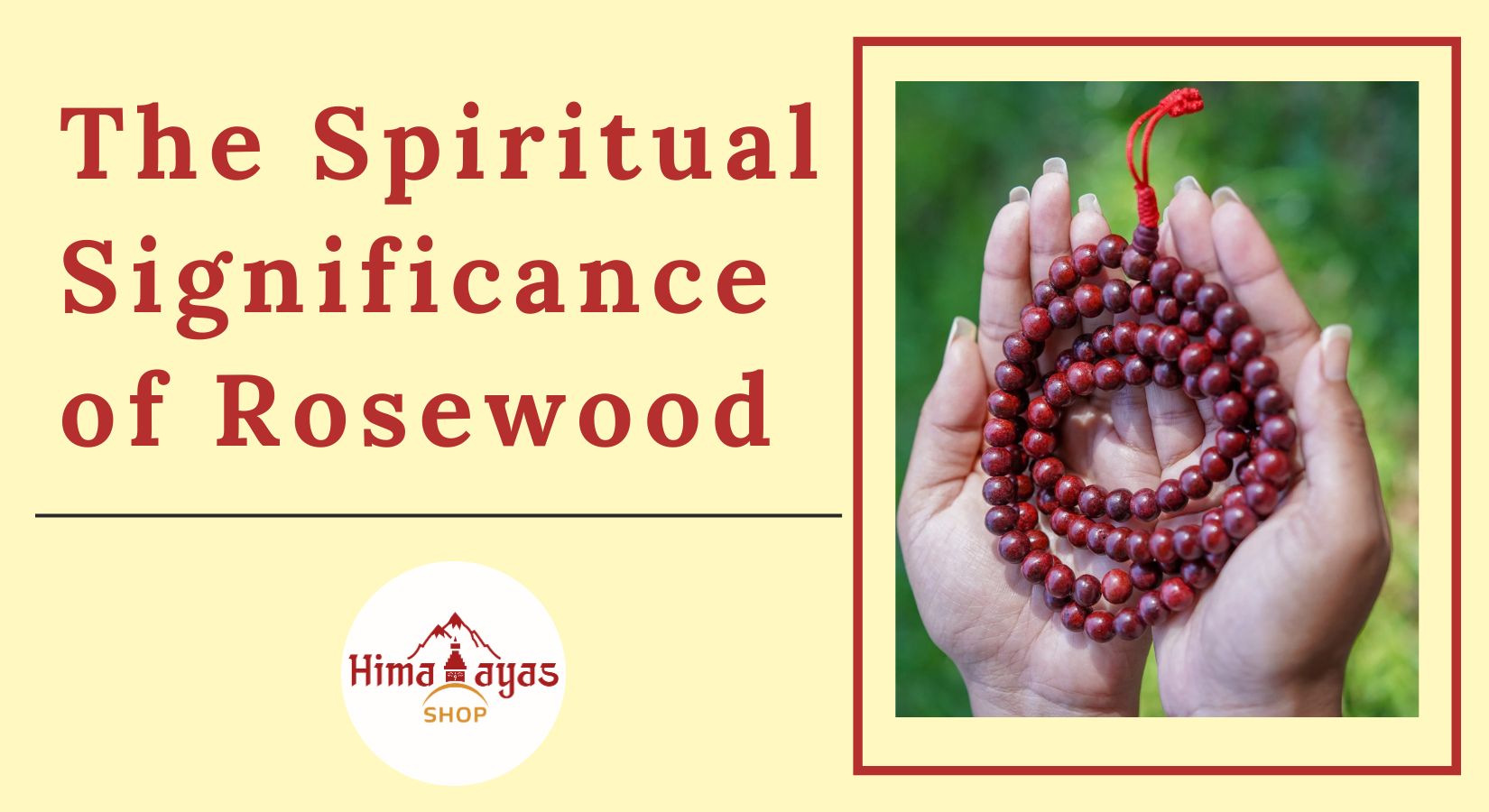
Rosewood, known for its rich color and distinctive grain, is not only cherished for its aesthetic appeal but also revered for its profound spiritual significance. This precious wood, often used in crafting malas, prayer beads, and spiritual artifacts, holds a special place in various spiritual traditions and practices around the world.
Rosewood has been valued for centuries in many cultures, particularly in India and Southeast Asia, for its beauty and spiritual properties. In Hinduism and Buddhism, Rosewood is often used to make prayer beads (malas) that aid in meditation and mantra recitations. These traditions hold that Rosewood enhances spiritual energy, making it an ideal material for those seeking to deepen their spiritual practices. Here, we delve into the deep spiritual significance of rosewood and why it is treasured by many.
1. Connection to the Divine

Rosewood is believed to have strong connections to the divine and is often used in the creation of sacred objects as a conduit for connecting with higher spiritual realms. Its rich, warm energy is thought to bridge the physical and spiritual realms, facilitating a deeper connection with higher consciousness and divine presence. The wood’s grounding properties stabilize the mind and spirit, making it easier for individuals to tune into spiritual guidance and wisdom. By fostering emotional balance and tranquility, rosewood supports a clearer and more receptive state of mind, enhancing one's ability to connect with and understand divine energies and messages.
2. Calming Properties
In many spiritual traditions, rosewood is valued for its calming, grounding presence. Its soothing energy is believed to calm the mind and ease stress, making it a popular choice for meditation beads. (The essential oil sold as “rosewood oil” comes from a different tree, Aniba rosaeodora, so its aromatherapy uses do not apply to rosewood beads.)
3. Enhancing Meditation and Mindfulness

The use of rosewood in meditation beads is particularly significant. The tactile sensation of the smooth, polished wood can enhance the meditative experience, helping practitioners focus and deepen their mindfulness. The calming energy of rosewood supports a serene meditation environment, allowing for a more profound connection with one’s inner self. Its grounding and calming properties are believed to anchor the mind and body, creating a stable foundation that enhances focus and presence during meditation. By promoting tranquility, rosewood helps reduce stress and anxiety, facilitating a deeper state of relaxation. Additionally, its ability to balance emotions fosters emotional harmony, supporting mindfulness by helping individuals approach their feelings with clarity and calm.
4. Balancing Energy
Rosewood is associated with balancing energies within the body, believed to align and stabilize one's energy, bringing harmony and balance to the chakras. This balancing effect can aid in maintaining emotional stability and promoting a sense of well-being. Emotionally, its calming presence is valued for fostering relaxation and mental clarity. Spiritually, rosewood is employed to balance energy fields during meditation and spiritual practices, helping practitioners achieve equilibrium and inner peace. Its calming and grounding qualities make rosewood a cherished material in energy balancing practices.
5. Promoting Compassion and Love

Rosewood holds profound spiritual significance in promoting compassion and love, valued for its ability to enhance emotional and spiritual connections. Its soothing energy is believed to activate and balance the heart chakra, fostering feelings of empathy, kindness, and understanding. Many people use rosewood malas in practices aimed at letting go of difficult emotions and opening to love and compassion. In meditation, rosewood facilitates a serene environment that encourages focus on compassion and loving-kindness, while in interpersonal relationships, it promotes understanding and reduces conflicts, fostering trust and emotional support. Overall, rosewood’s ability to open the heart and support practices of empathy and love makes it a cherished tool for nurturing compassionate connections.
6. Enhancing Intuition and Insight
Rosewood is a powerful ally in enhancing intuition and insight, deeply valued for its role in fostering a stronger connection to inner wisdom and spiritual awareness. Its soothing energy helps to quiet the mind and ease mental clutter, creating a peaceful space that allows intuitive insights to emerge more clearly. By promoting balance and tranquility, rosewood supports the activation of the third eye chakra, which is closely linked to intuition and perception. This can help individuals tap into deeper layers of their consciousness and gain clearer guidance from within. During meditation, rosewood aids in creating an environment conducive to deep introspection, enhancing one's ability to explore spiritual insights and intuitive messages. Its influence extends beyond just calming the mind—it also nurtures emotional clarity, which is crucial for interpreting and trusting intuitive feelings.
7. Cultural and Religious Significance
Rosewood, known for its rich color and fragrant aroma, holds significant cultural and religious importance in various traditions around the world. Here are some key aspects:

Cultural Significance
-
Art and Craftsmanship: In many cultures, rosewood is prized for its use in fine furniture, musical instruments, and decorative objects. Its durability and beautiful grain make it a favored material for high-quality craftsmanship.
-
Traditional Medicine: The aromatic oil often sold as rosewood oil comes from a different tree, Aniba rosaeodora, and is used in perfumery and aromatherapy.
-
Symbolism: Rosewood is often associated with luxury and elegance. Its deep color and fine texture are seen as symbols of sophistication and refinement.
Religious Significance
-
Hinduism: East Indian rosewood (Dalbergia latifolia) is a popular modern choice for malas because it is durable, smooth and warm to the touch. The woods traditionally regarded as sacred for malas in Hindu practice are tulsi and sandalwood, alongside rudraksha seeds.
-
Buddhism: Similar to Hinduism, Buddhists also use rosewood for making malas and other ritual objects. It is thought to aid in meditation and promote tranquility.
-
Shamanistic Practices: In some indigenous cultures, rosewood is used in rituals and ceremonies. It is believed to have protective qualities and is often used to create sacred objects.
-
Christianity: In some Christian traditions, rosewood is used to carve religious icons and crosses. Its strength and beauty symbolize faith and resilience.
Rosewood's widespread use and reverence across different cultures and religions highlight its enduring significance and the universal appreciation for its aesthetic and spiritual qualities.
Conclusion
The spiritual significance of rosewood extends far beyond its physical beauty. Its calming presence and its ability to support meditation and mindfulness make it a cherished material in spiritual practices. Whether used in prayer beads, meditation tools, or sacred artifacts, rosewood carries with it a profound energy that supports spiritual growth, emotional healing, and a deeper connection to the divine. Embracing rosewood in your spiritual practice can help cultivate a sense of peace, balance, and compassion, enriching your spiritual journey.
Leave a comment