


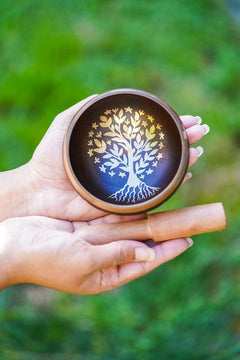

In the midst of our hectic lives, finding effective ways to rest and recharge is becoming increasingly important. Sound healing, the use of instruments such as singing bowls, gongs and the voice to help people relax, has become hugely popular. But what does the science actually say?
What Is Sound Healing?
Sound healing is a holistic practice that uses sound and vibration to help people relax and feel more balanced. Practitioners often describe it in terms of “frequencies” and “energy”. These are useful ideas within spiritual practice, but they are not the same as scientific findings, so it helps to separate the two.
What the Research Supports
Sound clearly affects us. When sound reaches our ears, the brain responds, and calm music or sound can influence our mood, breathing, heart rate and muscle tension. Listening to relaxing music has been found to reduce feelings of stress and anxiety in many studies, including studies in hospitals before surgery.
Research on singing bowls specifically is much smaller. A 2017 study of 62 people (Goldsby et al.) found that participants reported less tension, anger, fatigue and low mood after a singing-bowl meditation, although it had no control group. A small 2014 study (Landry) found that singing-bowl sound lowered blood pressure and heart rate more than silence did. A 2020 systematic review (Stanhope & Weinstein) concluded that there are too few good-quality studies to make health recommendations, and that more research is needed.
What People Commonly Experience

Relaxation:
Many people find sound sessions deeply relaxing and leave feeling calmer and less tense.
Emotional Release:
Some people find that the sound helps them notice and let go of feelings they have been holding on to.
Focus:
A steady sound can give the mind something simple to rest on, which can make meditation easier.
Winding Down for Sleep:
A few minutes of gentle sound can be a calming part of a bedtime routine.
Sound healing is not a treatment for chronic pain, insomnia or any other medical condition. It can be a lovely support for well-being, used alongside, not instead of, care from a health professional.
A Survey of Sound Healing Techniques:

Singing Bowl Meditation:
Tibetan singing bowls create rich, lingering tones when struck or played around the rim. In chakra-based practice, the sound is used as a focus for attention on each energy centre.
Binaural Beats:
Binaural beats play slightly different frequencies in each ear. Some studies suggest they may help with relaxation or focus, but the research results are mixed.
Guided Sound Meditation:
Practitioners use the voice and various instruments to guide participants through a meditative experience of rest and reflection.
In a world where self-care often takes a back seat, sound offers a simple, enjoyable way to slow down. Approached with realistic expectations, it can be a valuable part of your well-being routine.
Check out the blog below for more on sound, energy and well-being.
Leave a comment